Real estate media in Pollença
The north: Tramuntana stone, a town that stays a town, and light that lasts longer.
The area
Pollença sits at the northern end of the Tramuntana, where the mountains meet a wide bay. The old town is genuinely lived in — a Sunday market, the Calvari steps, plane trees in the plaza — and Port de Pollença, five kilometres away, keeps a low, family, year-round rhythm that the south of the island lost long ago.
The property here is the most varied we work with. Restored stone town houses on narrow streets, mountain fincas on olive terraces with private access tracks, and sea-front houses along the Pine Walk that rarely change hands. Buyers are typically northern European, often returning visitors of many years, and usually more interested in authenticity than in a new build with a big pool.
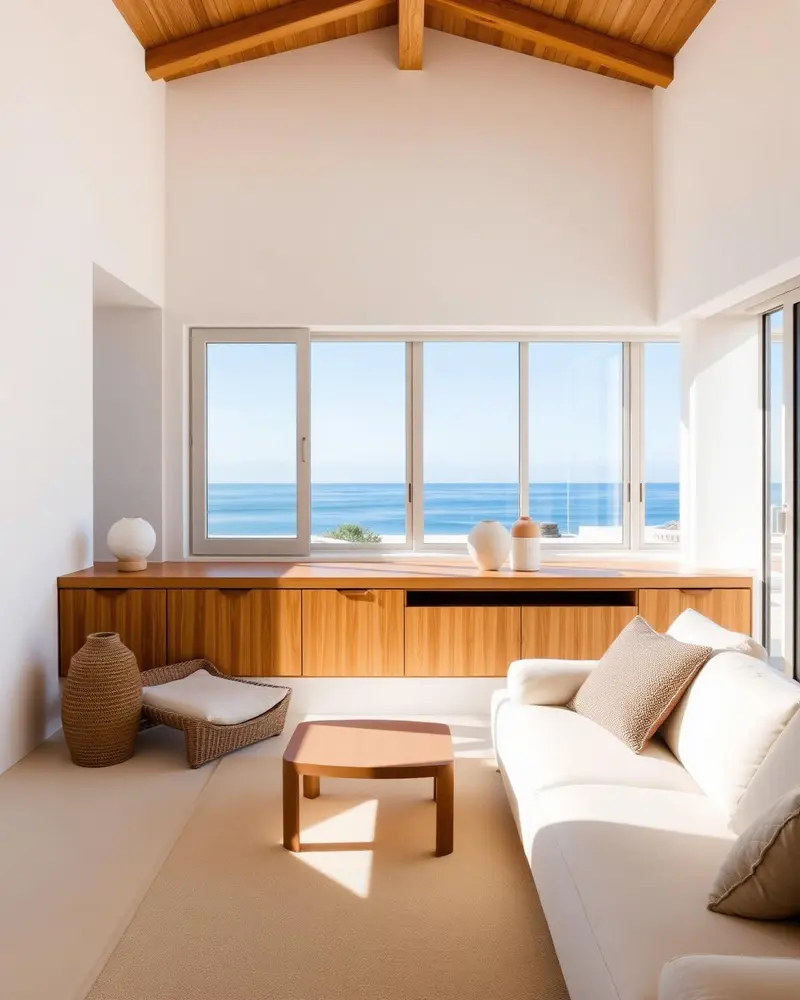
That makes the storytelling quieter. We shoot Pollença slowly: stone in low sun, shutters, the walk into the plaza, the mountain wall behind the house. The north gets a longer, softer golden hour than the south-west, which suits interiors with small windows and thick walls — the exact houses that photograph badly under midday light.
For town houses and mountain fincas, the area guide matters as much as the property film. A buyer needs to understand the walk to the market, the drive to the port and the shape of the valley before the house itself makes sense.
What we deliver here
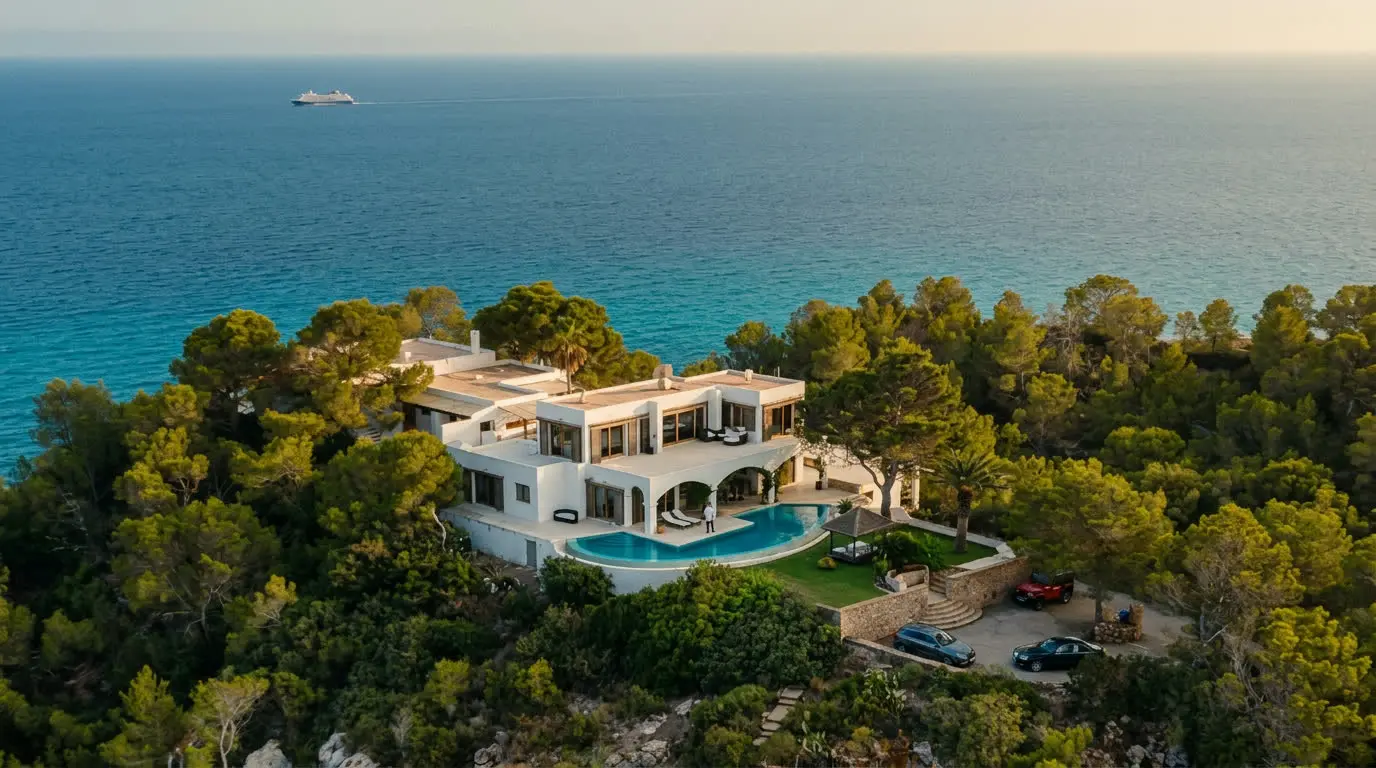
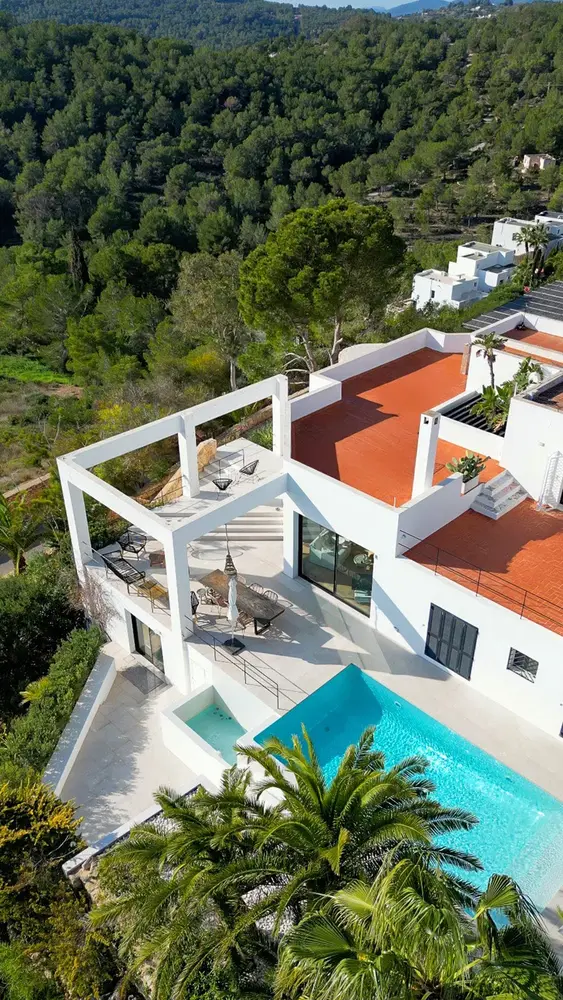
- — Property film with aerial cinematography
- — Interior and exterior photography
- — A dedicated website for the property
- — Area guide and lifestyle content
- — Vertical edits for Instagram
Mallorca
Past shoots in Pollença