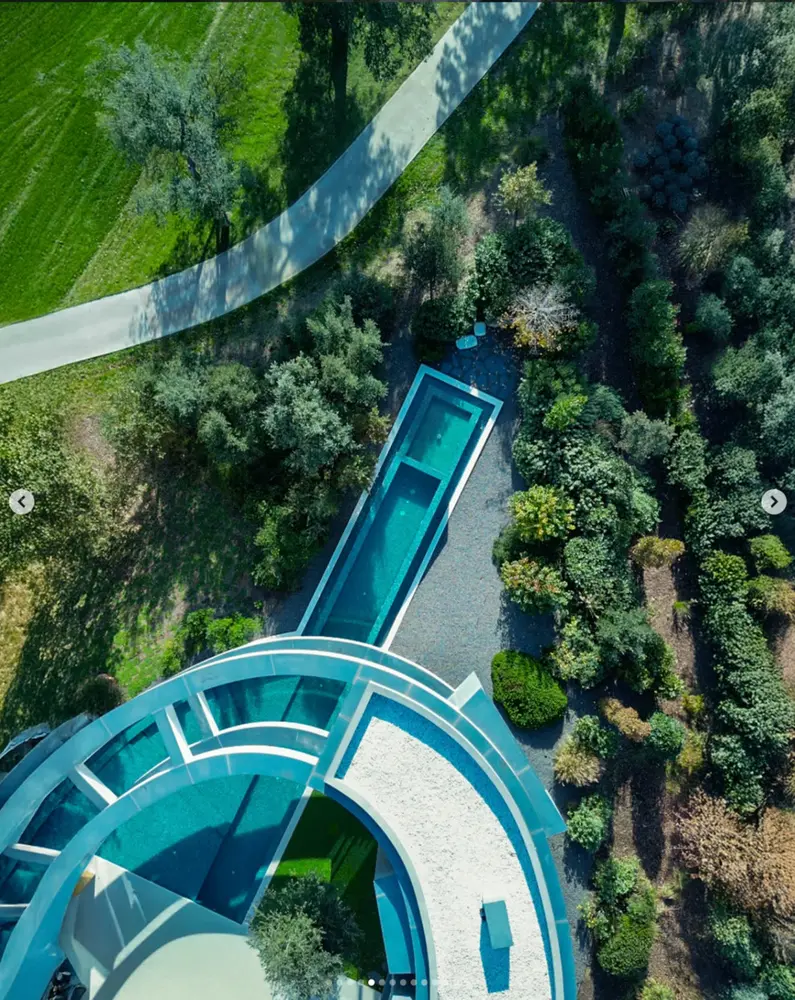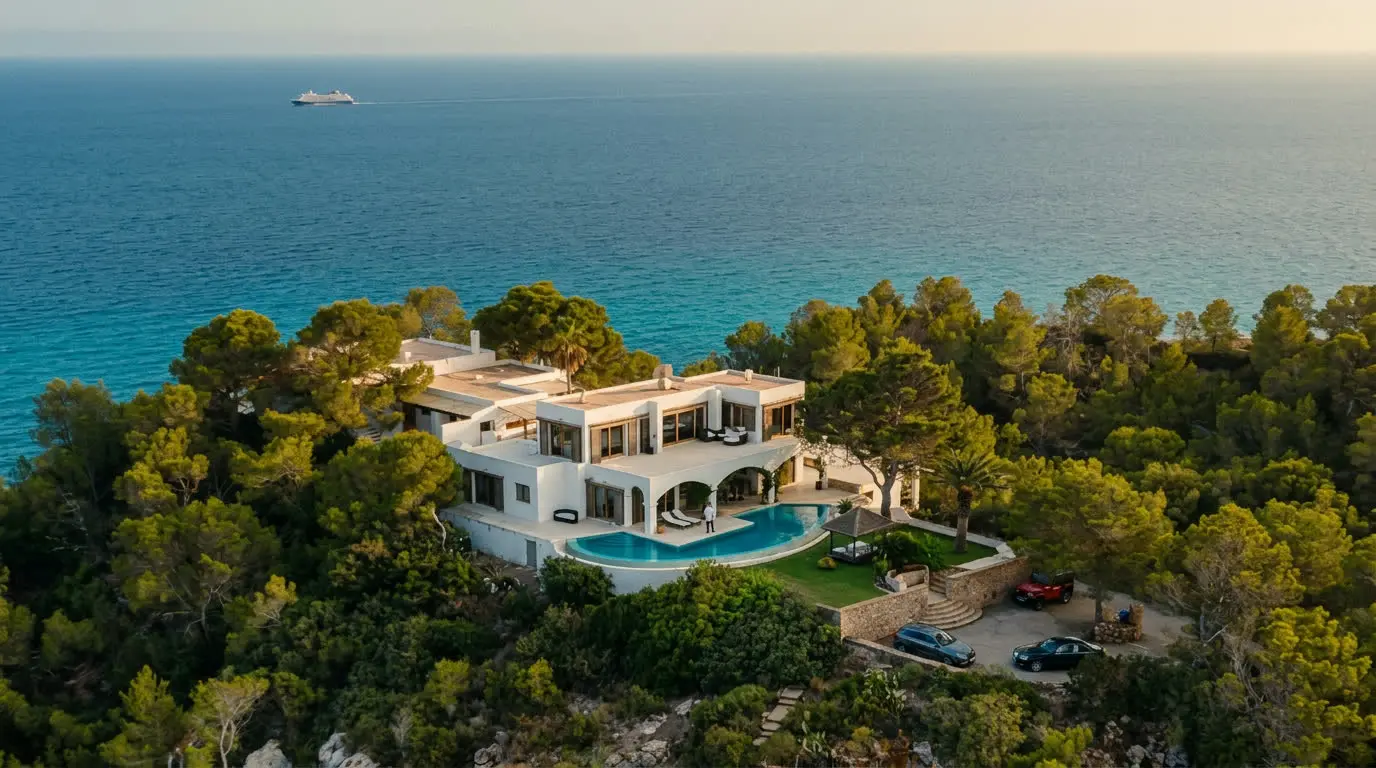
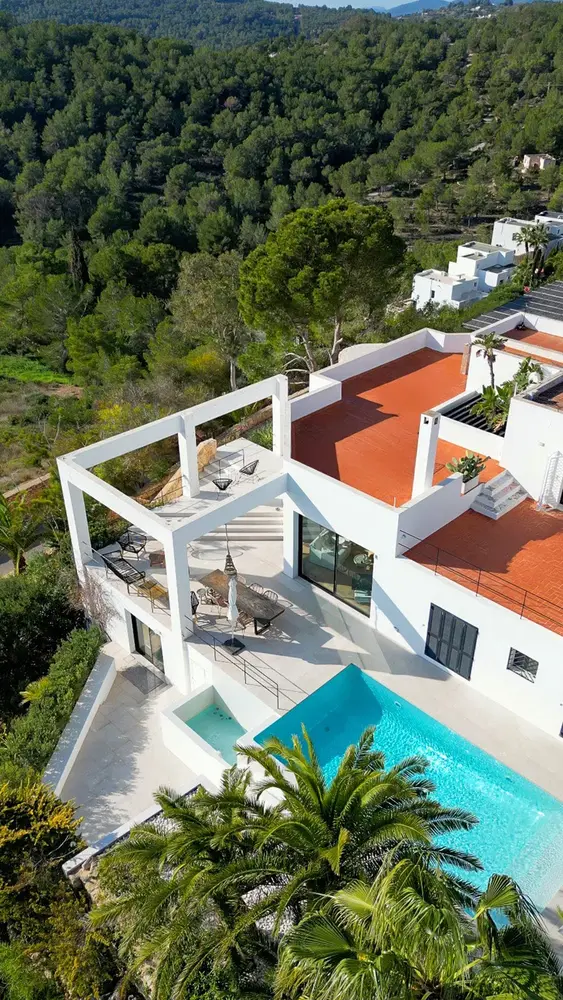
The listing is no longer the product. The experience around it is — and that is where the next decade of this business will be decided.
For most of the history of this industry, marketing a property meant distribution. Whoever put the house in front of the most qualified eyes won, and the portals built enormous businesses on exactly that premise. Distribution is now free and infinite, which means it has stopped being an advantage. Every property is everywhere. Attention, not exposure, is the scarce thing.
That single shift explains most of what is happening around us. When exposure was scarce, the listing was the product. Now that attention is scarce, the experience around the property is the product, and the property that offers the better experience gets the viewing.
From inventory to experience
The practical consequence is that a property increasingly needs a place of its own — a page, a film, a sequence a buyer can move through at their own pace — rather than a slot in a database. Buyers now arrive at a house having already decided how they feel about it, from a phone, often at night, usually alone. The material that shaped that feeling is doing the selling.
Agencies that understood this early stopped describing themselves as listing businesses and started behaving like publishers: consistent visual language, real content about specific areas, and a link they own for every significant property.
AI-assisted storytelling is now the baseline
The second shift is production. What required a large crew and a long post-production schedule three years ago is now achievable by a small senior team using AI-assisted tools throughout the pipeline — grading, cleanup, upscaling, translation, cut-downs for every platform, drafts of area copy in five languages. It has collapsed both cost and turnaround.
We use these tools daily and we are candid about it, with one rule: they accelerate craft, they do not replace judgement. A model can produce a hundred variations of a caption. It cannot decide that a house should be introduced from the air at first light because the story of the property is the land it holds. That decision is still the whole job, and it is why generic, automated property content already looks generic to buyers.
The floor has risen, in other words. Competent media is now the entry requirement rather than the differentiator. What differentiates is taste, restraint and knowing the market well enough to choose the right frame.
Where we fit
Grandeur was built for this version of the industry rather than the last one. We are a small senior team working across film, photography and digital, in three islands we actually know, producing both the media and the place that media lives — the property website, the agent's personal brand, the area guides that make a bay legible to someone who has never been there.
Our thesis is simple enough to state in a sentence: for the next decade, properties will not be sold by being listed, but by being experienced before they are visited. We build that experience.