The PDF brochure has quietly died. What replaced it is a single page that carries the entire property.
For twenty years the standard package for a significant property was a set of photographs, a floor plan and a PDF brochure, distributed through portals and email. It worked because there was no alternative. It no longer works, and the reason is simple: nobody reads a twelve-megabyte attachment on a phone, and a portal listing is designed to keep the visitor on the portal rather than with the property.
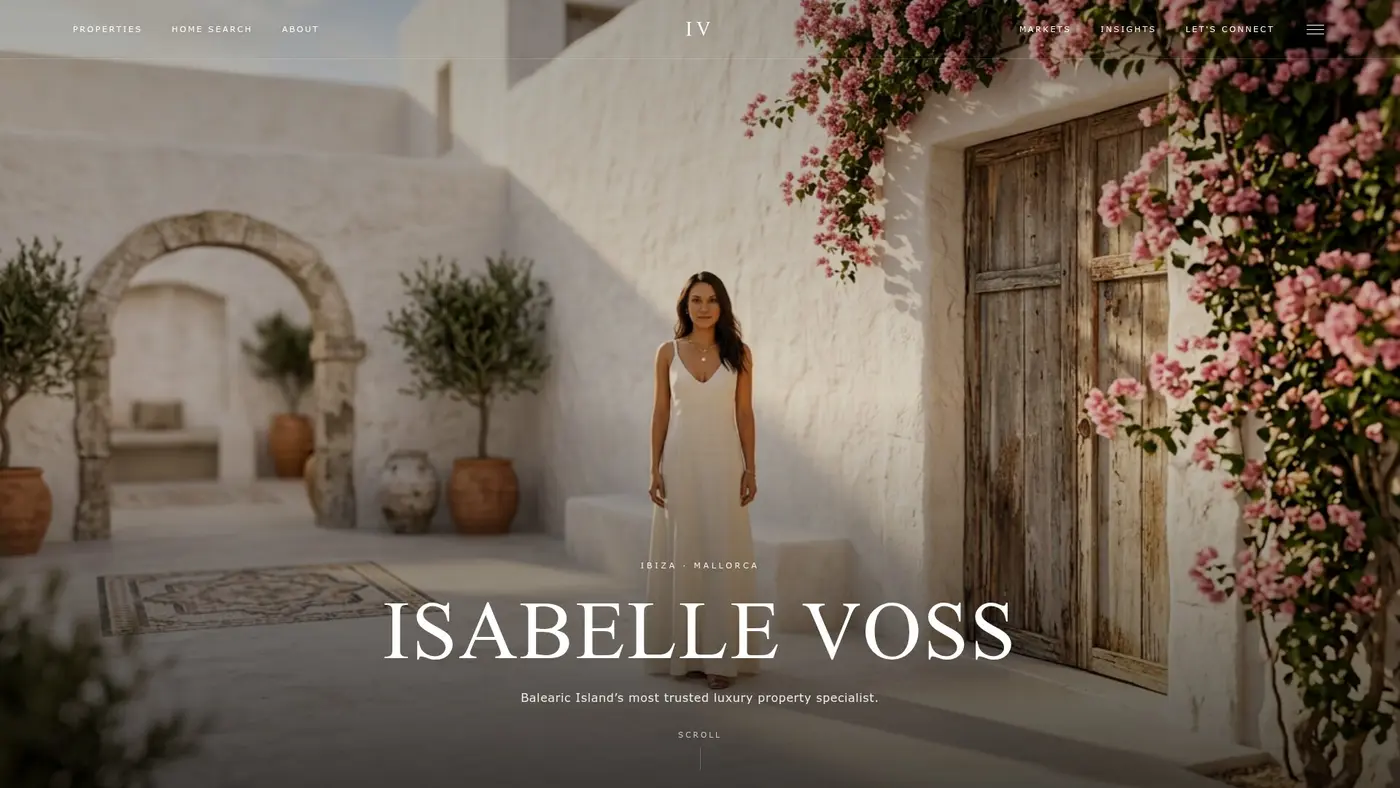
What has replaced it, quietly and quickly, is the dedicated property website. One address, one page, everything the property has: the film, the full gallery, the floor plans, the virtual tour, the area guide, and a form to arrange a viewing. The agent sends a link instead of an attachment. The buyer enters the property instead of scrolling past it.
Why a page beats a listing
A portal page is a template. Your villa appears at the same width, in the same typeface, with the same twelve thumbnails as the house next door, surrounded by advertisements for competing properties. It is an efficient way to be compared and a poor way to be chosen.
A dedicated page reverses that. The property sets the pace, the images are full width, the film plays without competition and the visitor's attention is not being sold to anyone else. Practically, it also solves things a listing cannot: you control what appears when the link is shared in WhatsApp, you can keep the address private until an enquiry arrives, and you can see how long people actually stayed.
Case study: Villa Selva 25
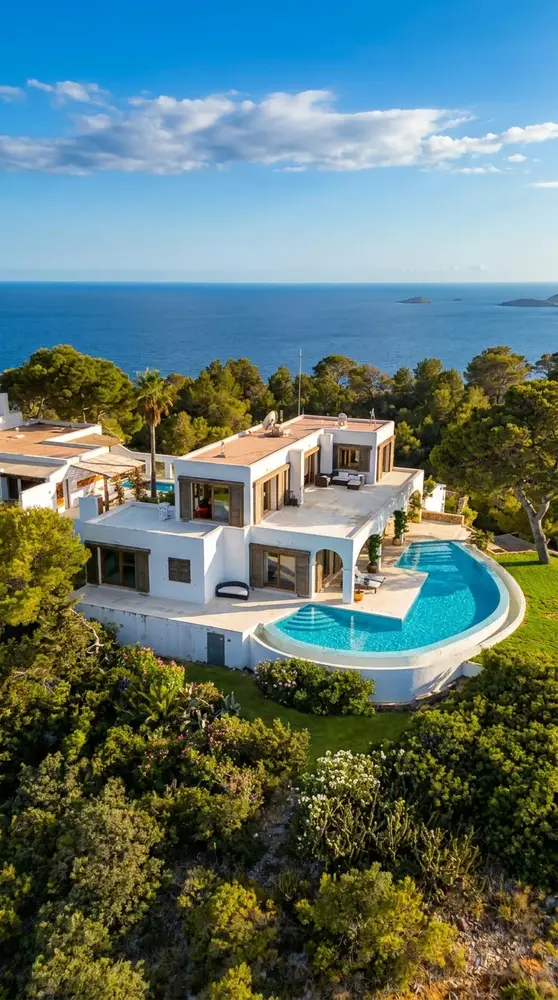
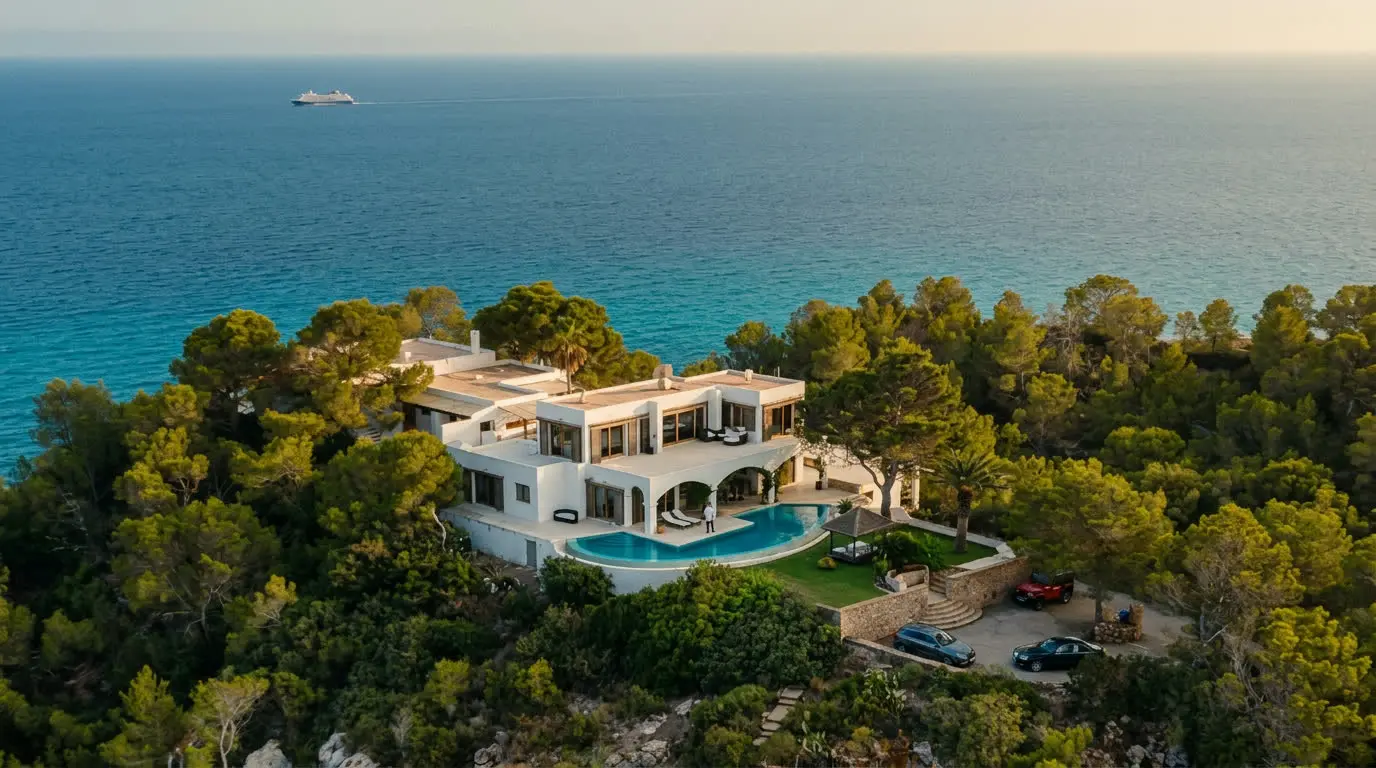
Selva 25 at Camiral is the clearest example we have. The villa is built around gold, travertine and deep shade, and its interiors shift in temperature through the day. In thumbnails it flattens completely — the material richness that defines the house simply does not survive compression next to a search result.
So the property was given its own site at thevillaselva.life. The film sits at the top, full width, with sound. Below it the gallery runs room by room, then the plans, then the virtual tour, then the surrounding area: the golf, the pine avenues, what a Tuesday in March looks like there. One page, one link, and the sequence is ours rather than a portal's.
The difference in behaviour is the point. A listing produces a click and a scroll. The page produces a stay — long enough for a buyer to reach the plans, which is where serious enquiries begin.
What it costs to skip it
The objection we hear is that a property website is an extra. We would put it the other way round: for a property above a certain value, the brochure was always the extra. The film, the stills and the plans already exist; the site is the container that makes them work together, and it is the only version of the property that can be sent, shared and forwarded without losing anything on the way.
Every property we film can be published this way. It is not a redesign of how property is sold. It is simply the brochure, finally in the format people actually use.